Time once again for one of my favorite posts of the entire year. I need one calendar for the kitchen, one for next to my computer, one for Elizabeth’s room, one for each of the two boy bedrooms, and possibly one for Paul’s office. One thing that’s interesting this year is that we switched the boys’ rooms around: last year we had a big and a little in each room, leading to difficult calendar-choosing; this year the bigs are in one room and the littles in another, which I hope will make things easier. Another thing to consider is that if all goes according to plan, partway through the year Rob will be leaving his room and going somewhere he may not even WANT a wall calendar.
(image from Amazon.com)
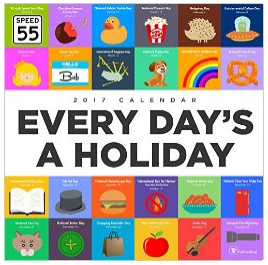
Every Day’s a Holiday. This one was a finalist last year for one of the boy rooms. I am torn about whether or not I can stand to have a child tell me every day that it is National Moose Day, or National Handkerchief Day, or whatever.
(image from Amazon.com)
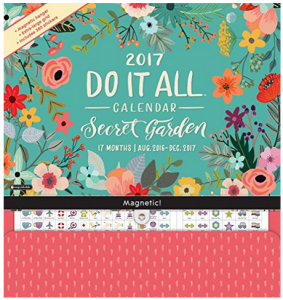
Do It All, Secret Garden. For the kitchen calendar, I definitely want a good picture: I don’t want one of those calendars that sacrifices the picture for more writing room. But…..I also like lots of writing room, so. This one has a small strip of picture, plus extra writing room, plus a pocket at the bottom for things like party invitations.
(image from Amazon.com)
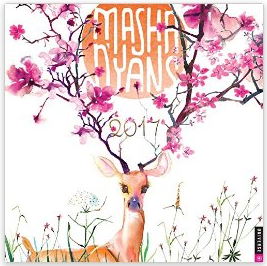
Masha D’yans. Pretty and sweet. I consider it each year, and have not yet chosen it.
(image from Amazon.com)
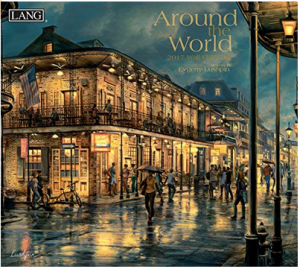
Lang Around the World. I dig the moody, rainy, international vibe. I dig less the smaller writing squares.
(image from Amazon.com)
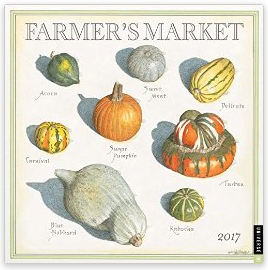
Farmer’s Market. I had this one year and liked it so much that Paul bought me two prints by the artist.
(image from Amazon.com)
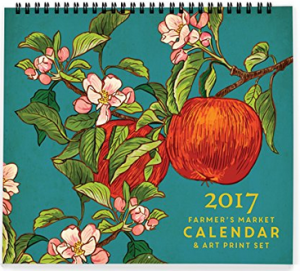
Rigel Stuhmiller’s Farmer’s Market. Another farmer’s-market-based calendar, but in bolder colors.
(image from Amazon.com)
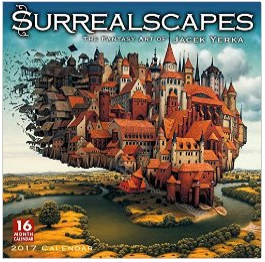
Surrealscapes. I don’t like surrealism, but the older boys do and might want this for their room.
(image from Amazon.com)
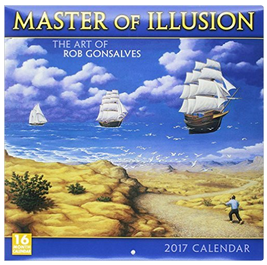
Master of Illusion. We had this in one of the boy rooms one year and it was popular.
(image from Amazon.com)
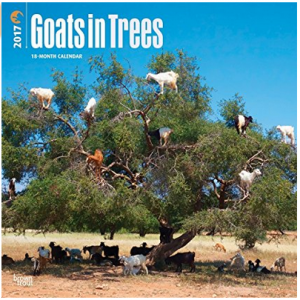
Goats in Trees. Immediate reaction: YES. Second reaction: But for twelve months?
(image from Amazon.com)
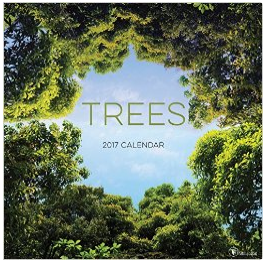
Trees. Maybe I want just the trees, sans goats. There is something enduring and above-it-all about a tree.
(image from Amazon.com)
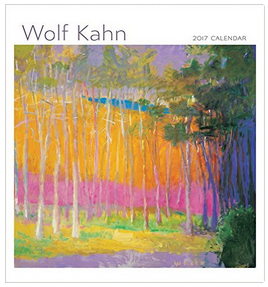
Wolf Kahn. I like the look of this, and also the description of it as tranquility in violent colors. But so many of the pages look basically the same: whole bunch of thin trunks.
(image from Amazon.com)
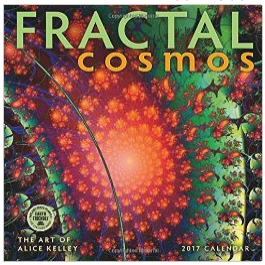
Fractal Cosmos. Contender for bigger boys’ room.
(image from Amazon.com)
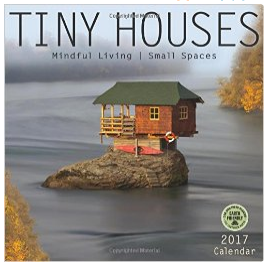
Tiny Houses. I would not want to LIVE-live in a tiny house, but I would like one just for me in my back yard.
(image from Amazon.com)
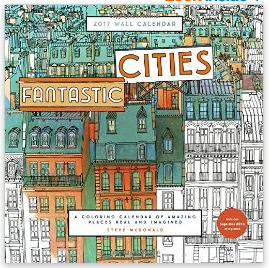
Fantastic Cities: A Coloring Calendar. As of posting, this is only $2.42, perhaps because so many people thought what I thought, which was “Oooo, I would LOVE this, if someone ELSE would color it for me!” Then I thought, maybe I could put a keyrack next to it, with colored pencils tied (or super-glued) to strings attached to each hook, and we could all work on coloring it throughout each month? That might be fun.
(image from Amazon.com)
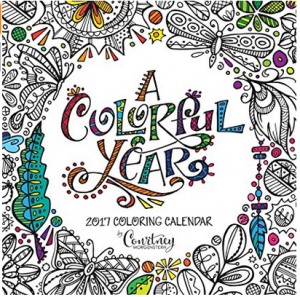
A Colorful Year. This one isn’t as cheap, but has the advantage of variety: I’m not sure I’d want to color cities all year long.
(image from Amazon.com)
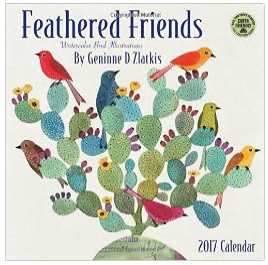
Feathered Friends. Jess thought I would like this one and she is very correct. Top contender.

(image from Amazon.com)
Hamilton. I suspect a TON of people will have this calendar next year.
(image from Amazon.com)
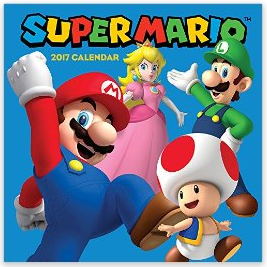
Super Mario Bros. Contender for the littler boys’ room.
(image from Amazon.com)
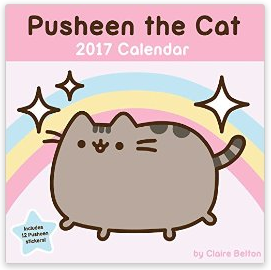
Pusheen. We had this one in the kitchen just a couple of years ago, but I think I’d be ready to see it again. We all liked it so much. Or maybe it would be a good one for Elizabeth’s room.

(image from Amazon.com)
Hot Dudes Reading. Well…OKAY!

(image from Amazon.com)
Unlikely Friendships. In the right mood, this kind of thing can fill me with teary hope for all of humankind.
(image from Amazon.com)
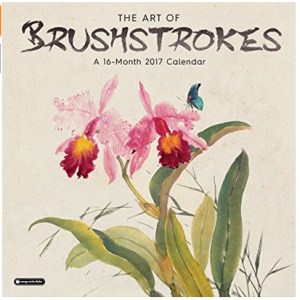
The Art of Brushstrokes. Looking at the back of this one gave me a pleasantly doped feeling, so this is definitely a contender.

(image from Amazon.com)
On This Day in History. This is one both older boys wanted last year, but neither younger boy wanted it. I might want it for the kitchen this year, for the perspective. But perhaps that would be grim.

(image from Amazon.com)
Fat Cats. Contender for Elizabeth’s room. She appreciates a nice fat cat.
(image from Amazon.com)
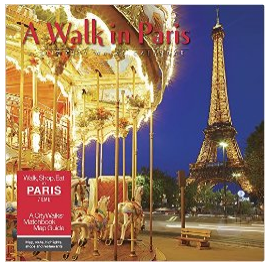
A Walk in Paris. This is so charming. And you know, I think fully half of the appeal is the title. If they’d just called it Paris, I would have scrolled (strolled) right past. But A WALK in Paris is lovely.

(image from Amazon.com)
New York in Art. I love this idea. Frequently I will like an artist but not enough to have that same artist up all year. This is all different artists. I wish I felt more of a connection to New York.
(image from Amazon.com)
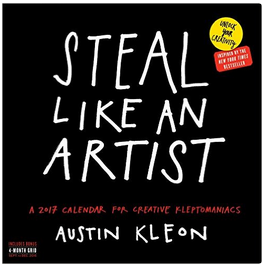
Steal Like an Artist. I think Rob would like this one. Each month has a drawing/saying for anyone working on a project—it doesn’t have to be art.
(image from Amazon.com)
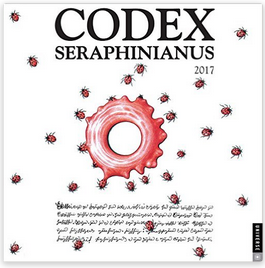
Codex Seraphinianus. You have got to look at the back of this calendar. I think I should get this for the older boys’ room, or for Paul’s office: they all really liked the book.
(image from Amazon.com)
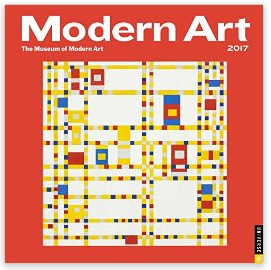
Modern Art. A nice assortment, but it seems as if there are always a couple of pages I actively don’t want.
(image from Amazon.com)
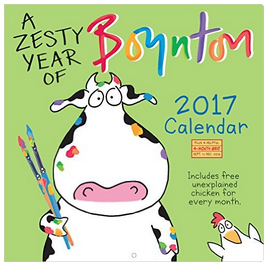
A Zesty Year of Boynton.
(image from Amazon.com)
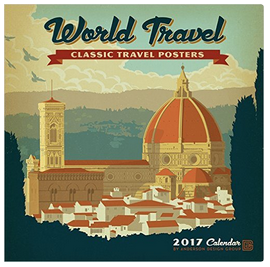
World Travel Classic Posters. I love this style, and I’m in the mood for something international. Scroll down to the “Customers who bought this also bought…” section for a lot more options with this same look.

(image from Amazon.com)
Pets Rock. Guinea. Pig. Pope.
(image from Amazon.com)
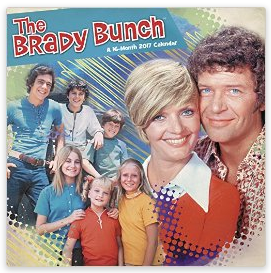
Brady Bunch. So first of all: no. But I find I am happy it exists.

(image from Amazon.com)
Bloom County. Oh, I am SO pleased to see this. I had a Bloom County calendar in high school. I think this might be the winner for next to my computer.
(image from Amazon.com)
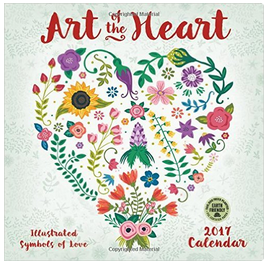
Art of the Heart. I am usually take-it-or-leave-it about Heartsy McLoveLove stuff, but this year I’m into it.
(image from Amazon.com)
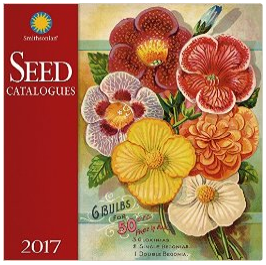
Smithsonian Seed Catalogue.
(image from Amazon.com)
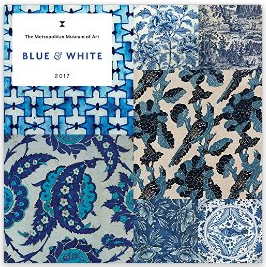
Blue and White. I love this idea. I would love to see more calendars in other color combinations.
(image from Amazon.com)
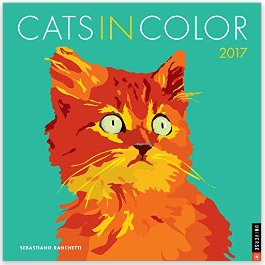
Cats in Color. Strong contender for the kitchen (everyone would like it) or Elizabeth’s room.
(image from Amazon.com)
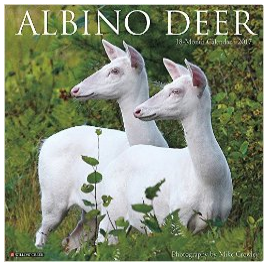
Albino Deer. This is so surprisingly specialized.
(image from Amazon.com)
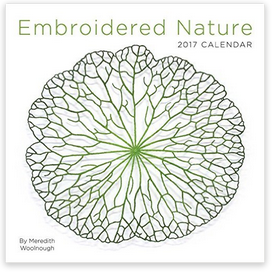
Embroidered Nature. These pictures are of things made with EMBROIDERY.
(image from Amazon.com)
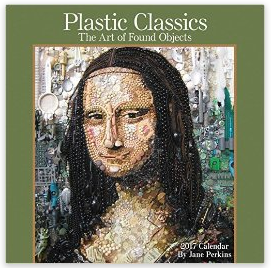
Plastic Classics. Artworks recreated with found plastic objects. It seems to me there are more than the usual number of interesting ideas for calendars this year.
(image from Amazon.com)
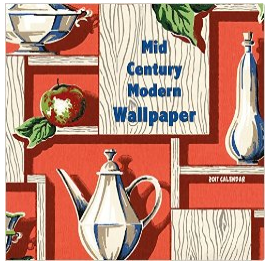
Mid-Century Modern Wallpaper. I’ve twice had a vintage-wallpaper calendar, and both times found it very satisfying.
(image from Amazon.com)
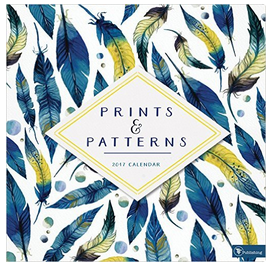
Prints and Patterns. This is similarly appealing, but less vintage.
********
As usual, I long for you to tell me about the calendars you have purchased, or will purchase.