When I like to do something, I like everyone else to like to do it too (as you may already know, if you were my Facebook friend back when I was into the virtual gardens/pets) (sorry about that, but IT WAS FUN, WHY DIDN’T YOU WANT TO PLAY TOOOOOOOOO?). By birth and by nature I’m a bossy older sister, and I TRY not to push TOO MUCH, but sometimes it is HARD to be so RESTRAINED.
Anyway I’m into Webkinz right now and I want you to do it too so why arennnnnnnnnn’t you? No, I do understand. My kids started doing Webkinz when Rob was, like, 7? or 8? or something? And yet I didn’t even have the idea of getting a Webkinz for myself until a few months ago: the games didn’t really appeal, and that seemed like the main point. I don’t remember even WATCHING Rob or William play, or having much interest in what they were doing—though part of that is that I find it physically painful to keep myself from butting in when I’m watching a child play a game.
Zip forward to the present, when I am logging on daily (DAILY) to make sure I “do my dailies” (definition: play the games that can only be played once per day). I am watering virtual gardens. Collecting virtual gems to make a virtual crown. Spinning a virtual wheel to get a virtual prize. Earning virtual money by playing virtual Webkinz versions of Bejeweled and Yahtzee. Purchasing virtual clothing for a virtual animal. Fervently and genuinely hoping to win rare virtual items. Etc.
I can’t really explain it, especially since the site can be pretty annoying and glitchy. All I know is WANT TO PLAY WEBKINZ, LET ME PLAY IT RIGHT NOW. And also: WHY YOU NOT HAVE ONE, IT’S SO FUN.
I think one thing I like about it is that there are so few actual TOYS in adulthood. So few, in fact, that “adult toys” sounds dirty (as in “adult bookstore”) or else tongue-in-cheek (as in “Oh, er, no, this is a special kind of juice kids can’t have—ADULT juice”). Do you remember being a kid and thinking the presents your parents got for Christmas were UNIMAGINABLY SAD? I remember my mom explaining that no, no, these were the things adults wanted to receive! And I thought something like “Mental note: Christmas fun ends at adulthood.” That turned out not to be true, and now I explain the same thing to my incredulous children—but STILL, this Webkinz is a TOY, it’s an actual TOY, and I wanted it, and I found that quite, quite fun. And it is fun, now, to decide to spend some free time Playing With A Toy. I have found it surprisingly spirit-lifting. (Bonus: the children find this hilarious and delightful.)
But I can see how you might be uncertain (it took me about a month to get from “I might even like to have one myself, ha ha!” to “It appears I am seriously going to follow through on this silly idea”), so here is what I thought I’d do. Some of the Webkinz are quite cheap, so it’s an easy thing to try; if you don’t like it, very little has been wasted. What if I bought a couple of Webkinz and gave them away? And then two people who were wavering on the issue could try it without having to leap the hurdle of purchasing one, and plus we’d have the fun of a contest? What if THAT?
Here is what we will do. I will make a list of some of the cheaper Webkinz (there are some that are even cheaper than the ones I’m listing, but those are “add-on” items, which means they’re only at that price if your order is $25 or more). To enter, leave a comment saying which one you’d like to win. (I like to do a Google image search so I can see what they’d look like in the virtual Webkinz world, too.) I’ll choose two winners on…let’s say Monday, June 17th, 2013, and I’ll ship you the little guy you liked best. So, here are the candidates to choose from:
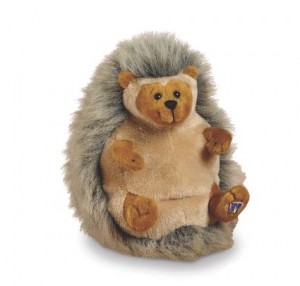
(HEDGEHOG; photo from Amazon.com)
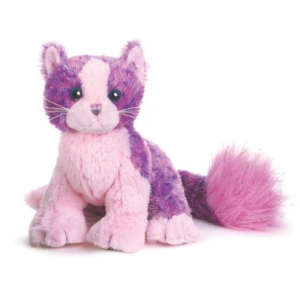
(POM POM KITTY; photo from Amazon.com)
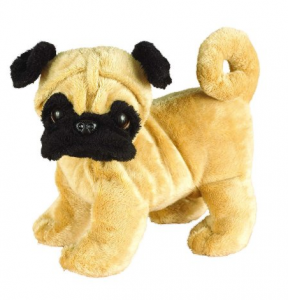
(PUG; photo from Amazon.com)
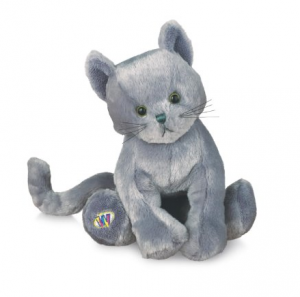
(CHARCOAL CAT; photo from Amazon.com)
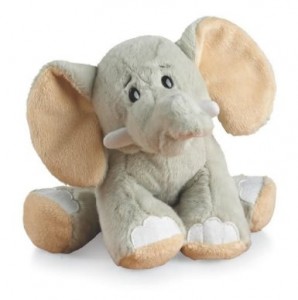
(VELVETY ELEPHANT; photo from Amazon.com)
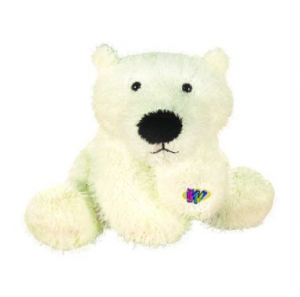
(POLAR BEAR; photo from Amazon.com)
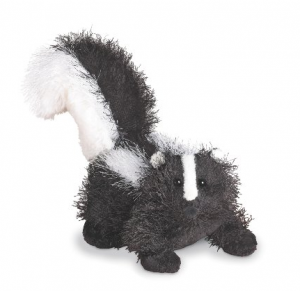
(SKUNK; photo from Amazon.com)
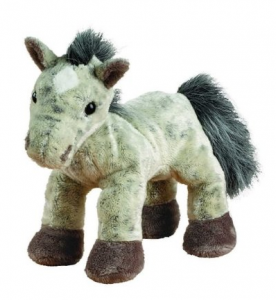
(GREY ARABIAN; photo from Amazon.com)
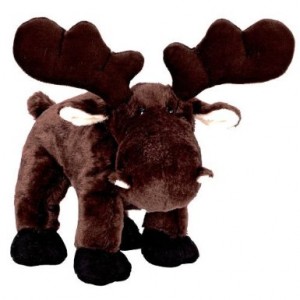
(MOOSE; photo from Amazon.com)

(WHITE TERRIER; photo from Amazon.com)
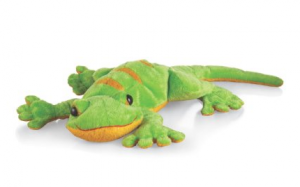
(LEMON-LIME GECKO; photo from Amazon.com)
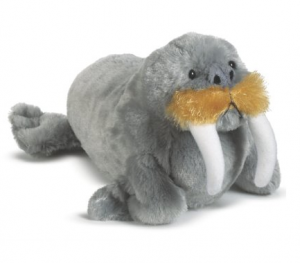
(WALRUS; photo from Amazon.com)
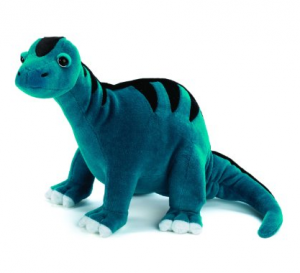
(APATOSAURUS; photo from Amazon.com)
There! That seems like a nice assortment.
Here is the main issue: one reason I like doing giveaways of things from Amazon is that I have a Prime account, so I can ship Amazon gifts within the U.S. for absolutely free, which is very pleasant considering how expensive it is to ship things now. So that means the giveaway is for U.S. addresses only, which is kind of SAD and UNFAIR (like ADULT CHRISTMAS) but THERE IT IS.
The secondary issue is that sometimes a particular Webkinz animal will sell out at one price and then suddenly they’re another price. All of the above were chosen in the $5/$6/$7 range; if one of them suddenly goes up (or suddenly no longer qualifies for Prime shipping), and it’s the one the winner has chosen, I’ll have the winner pick again.
So if you have a U.S. mailing address in mind, and you’d like to try a Webkinz, leave a comment below saying which you’d like to win:
Hedgehog
Pom-pom kitty
Pug
Charcoal cat
Velvety elephant
Polar bear
Skunk
Grey Arabian
Moose
White terrier
Lemon-lime gecko
Walrus
Apatosaurus
I’ll pick two winners on Monday, June 17th.