I am very late to this post, really TOO late for practical purposes—but I was distracted by college-selection stuff and then I was out of town (my brother and I went on a fun quick trip to see our parents), and so it is only now I have thought to say this: If you are someone who would normally think of Mother’s Day as a special day for yourself, but your family has historically been…lacking…in celebrating that day, this is your reminder to lay in some supplies.
What I personally like to do is buy some Plausible Deniability Items. Perhaps a can of Pillsbury orange rolls from the grocery store, or a nice box of pastries from the grocery store bakery! Why, we might have those ANYWAY on a Sunday! Perhaps a box of See’s chocolates—it’s not for Mother’s Day, no, it’s just that I like to collect the pretty SPRING FLOWERS TINS they normally have around May! Maybe I buy something that’s been in my online shopping cart for a long time; the early-May timing is merely a coincidence. Anything where, if the family DOES in fact take action this year, I won’t feel silly for having made these purchases I might easily have made ANYway.
If you’re like me, you might feel silly no matter what. You might feel self-indulgent, or self-pitying, or over-reactive, or like it’s Worse Than Nothing if you have to do these things for yourself. You might think, “This is ridiculous: I don’t REALLY CARE about Mother’s Day!” Well then, isn’t it nice that you didn’t buy those items with any special day in mind, but instead just happened to buy them in early/mid-May! But what I have learned is that when Mother’s Day actually arrives, I am very glad to have a few things on hand, even if ahead of time I thought it was worse than nothing.
This year I bought the full-ounce bottle of Pacifica French Lilac perfume that LAST year I bought the .33 roller size of. (It smells like if you had a lilac bush growing right outside your open window, or I guess growing right outside your shoulder.) It was on a sale, so I might have bought it anyway.
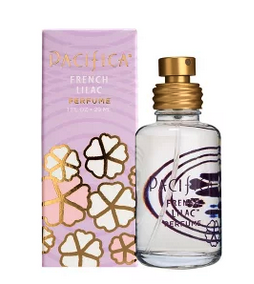
(image from Target.com)
And I finally hit the buy button on the lilac cotton sweater I’ve allowed to linger in my Amazon cart forever, despite already owning the same sweater in green and knowing I love it; I got the green one on some $15 flash sale, so for some reason was balking at spending $25. (For sizing purposes: I wear an XL Tall in Old Navy, and I like this sweater in XXL—but I do not like FITTED clothing. I like to be INSIDE a sweater.)
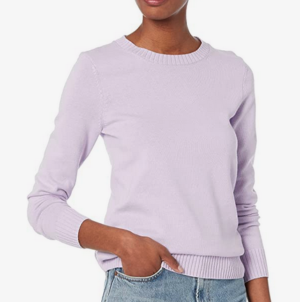
(image from Amazon.com)
At the grocery store today I bought a Cadbury Caramello bar and a Cadbury Fruit & Nut bar, which I might have bought anyway, as they are some of my favorites and they were on sale. I bought the tube of Pillsbury orange-iced rolls, which I might have bought anyway, as a nice treat for any Sunday morning. I bought a pot of sprouted tulip bulbs, which I DEFINITELY would have bought anyway, ever since finding out that if I then carelessly flung those tulip bulbs (after the tulips wilted) into a carelessly shoveled hole in the ground at ABSOLUTELY THE WRONG TIME OF YEAR (spring), they would COME UP AGAIN THE NEXT YEAR, LIKE FREE BONUS RERUN TULIPS.
Also: if you normally do chores of any kind on Sunday (grocery shopping, bathroom-cleaning, laundry, changing the sheets, etc.), may I suggest you plan to do those things sometime between now and the end of the day Saturday? It is very nice, on a Sunday that is just like any other Sunday, to not have any chores to do. If you normally make dinner on Sunday, plan to make a dinner you personally like best, even if (especially if) other people don’t like it as much as you do; or, spontaneously, for no particular reason, plan to order take-out from a place you like, just on a whim because you don’t feel like cooking that particular evening.